

(DETROIT) - A long-standing Michigan tax incentive aimed at reducing industrial air pollution is facing new scrutiny over its cost and effectiveness.
The program allows companies to avoid certain property and sales taxes if they install pollution control equipment. Over the past decade, those exemptions have cost the state nearly $2 billion.
Despite that cost, state regulators say they do not track whether the tax breaks are actually reducing pollution. Officials also confirm no exemption has ever been revoked, even when companies were cited for air quality violations.
The policy dates back to 1965 and was designed to encourage cleaner industrial practices.
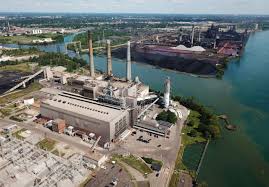
In areas like River Rouge, residents say pollution remains a concern despite decades of incentives. Data shows thousands of violation notices issued statewide in recent years, many in heavily industrialized regions.
Critics are calling for reforms to tie tax breaks more directly to environmental performance, while supporters argue the incentives help companies afford costly pollution-control equipment.
The issue comes as Michigan lawmakers consider broader environmental reforms and tougher enforcement measures.